The Development And Hereafter Of The Auto Manufacture: From Assembly Lines To Autonomous Revolution
The automotive industry has been a cornerstone of mod civilization for over a century. From its humble beginnings as a niche marketplace, it has grown into a global behemoth, shaping economies, landscapes, together with societies. This article delves into the history in addition to hereafter of the machine manufacture, exploring its manufacturing roots as well as the exciting prospects that lie ahead.

The auto industry'second origins can live traced back to the late 19th century, alongside pioneers similar Karl Benz as well as Henry Ford. Benz's 1885 Motorwagen is often considered the get-go true car, piece Ford'sec Model T, introduced in 1908, revolutionized the industry by introducing bulk production techniques such equally the assembly job.
Henry Ford's introduction of the assembly occupation marked a watershed second inward automotive history. It drastically reduced production costs, making cars more affordable to the masses. The Model T became an iconic symbol of American mobility, as well as its manufacturing methods gear up the standard for the manufacture.
The mid-20th century marked the golden era of the automobile industry, alongside an explosion of design and competition. Iconic cars similar the Chevrolet Corvette, Ford Mustang, in addition to Volkswagen Beetle captured the imaginations of millions. As technology advanced, rubber features, emissions controls, and fuel efficiency became cardinal concerns.
In the latter one-half of the 20th century, the manufacture saw globalization on an unprecedented scale. Japanese carmakers like Toyota in addition to Honda challenged the say-so of American and European manufacturers. The bespeak for higher efficiency together with ameliorate environmental practices became more than pronounced, leading to innovations like hybrid in addition to electric vehicles.
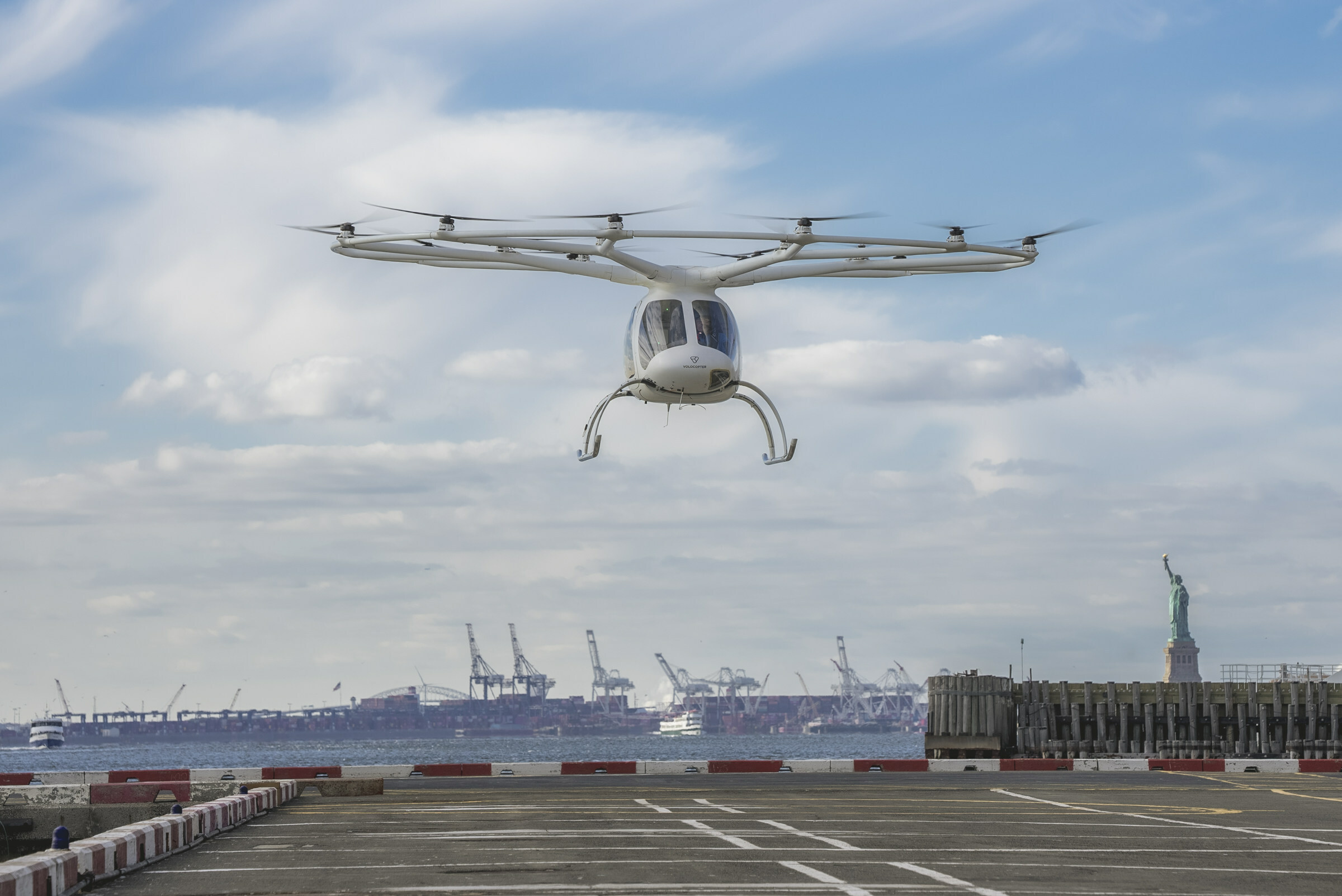
The 21st century has brought near a profound transformation inwards the car industry. Two major trends accept emerged: the shift to electrical power together with the development of autonomous vehicles.

Image past usertrmk on Freepik
The Birth of an Industry
The auto industry'second origins can live traced back to the late 19th century, alongside pioneers similar Karl Benz as well as Henry Ford. Benz's 1885 Motorwagen is often considered the get-go true car, piece Ford'sec Model T, introduced in 1908, revolutionized the industry by introducing bulk production techniques such equally the assembly job.
Assembly Line Revolution
Henry Ford's introduction of the assembly occupation marked a watershed second inward automotive history. It drastically reduced production costs, making cars more affordable to the masses. The Model T became an iconic symbol of American mobility, as well as its manufacturing methods gear up the standard for the manufacture.
The Golden Era
The mid-20th century marked the golden era of the automobile industry, alongside an explosion of design and competition. Iconic cars similar the Chevrolet Corvette, Ford Mustang, in addition to Volkswagen Beetle captured the imaginations of millions. As technology advanced, rubber features, emissions controls, and fuel efficiency became cardinal concerns.
Globalization and Competition
In the latter one-half of the 20th century, the manufacture saw globalization on an unprecedented scale. Japanese carmakers like Toyota in addition to Honda challenged the say-so of American and European manufacturers. The bespeak for higher efficiency together with ameliorate environmental practices became more than pronounced, leading to innovations like hybrid in addition to electric vehicles.
The 21st Century: Electric as well as Autonomous Revolution
The 21st century has brought near a profound transformation inwards the car industry. Two major trends accept emerged: the shift to electrical power together with the development of autonomous vehicles.
i. Electric Vehicles (EVs): Electric cars accept gained immense popularity due to their reduced emissions as well as the advancement of battery engineering science. Companies similar Tesla accept spearheaded the EV revolution, forcing traditional automakers to accelerate their electric offerings. As governments worldwide impose stricter emissions standards, the time to come of the machine industry is undoubtedly electrical.
2. Autonomous Vehicles (AVs): The concept of self-driving cars has captured the imagination of both tech together with automotive giants. Companies like Waymo, Uber, together with traditional automakers are investing heavily inward AV engineering. While total autonomy is nevertheless a run in progress, AVs have the potential to revolutionize shipping past increasing condom, reducing congestion, and providing greater mobility to people alongside disabilities too the elderly.
Despite the promising future, the automobile industry faces several challenges:
i. Infrastructure: The transition to electrical in addition to autonomous vehicles requires a pregnant overhaul of infrastructure, including charging stations together with intelligent route systems.
ii. Regulation: Governments must conform regulations to adapt novel technologies piece ensuring rubber together with protecting consumer rights.
iii. Environmental Concerns: The manufacture must go on to address environmental concerns by reducing emissions, improving battery recycling, in addition to exploring sustainable materials.
four. Cybersecurity: As vehicles go more than connected, the industry faces increased cybersecurity risks, requiring robust protection against hacking in addition to information breaches.
Conclusion
The automobile industry has come a long fashion from its humble beginnings, amongst manufacturing innovations, globalization, in addition to technological advancements shaping its evolution. As we expect to the futurity, electric vehicles in addition to autonomous driving promise to redefine the manufacture one time over again. While challenges remain, the automobile industry is poised for a brilliant too sustainable time to come, driving us towards a cleaner, safer, as well as more efficient transport landscape.
2. Autonomous Vehicles (AVs): The concept of self-driving cars has captured the imagination of both tech together with automotive giants. Companies like Waymo, Uber, together with traditional automakers are investing heavily inward AV engineering. While total autonomy is nevertheless a run in progress, AVs have the potential to revolutionize shipping past increasing condom, reducing congestion, and providing greater mobility to people alongside disabilities too the elderly.
Challenges as well as Opportunities
Despite the promising future, the automobile industry faces several challenges:
i. Infrastructure: The transition to electrical in addition to autonomous vehicles requires a pregnant overhaul of infrastructure, including charging stations together with intelligent route systems.
ii. Regulation: Governments must conform regulations to adapt novel technologies piece ensuring rubber together with protecting consumer rights.
iii. Environmental Concerns: The manufacture must go on to address environmental concerns by reducing emissions, improving battery recycling, in addition to exploring sustainable materials.
four. Cybersecurity: As vehicles go more than connected, the industry faces increased cybersecurity risks, requiring robust protection against hacking in addition to information breaches.
Conclusion
The automobile industry has come a long fashion from its humble beginnings, amongst manufacturing innovations, globalization, in addition to technological advancements shaping its evolution. As we expect to the futurity, electric vehicles in addition to autonomous driving promise to redefine the manufacture one time over again. While challenges remain, the automobile industry is poised for a brilliant too sustainable time to come, driving us towards a cleaner, safer, as well as more efficient transport landscape.